If you have started noticing some changes in your smile, or differences in your bite, you might be wondering if you should start orthodontic treatment like braces to fix these issues.
As your schedule begins to fill up, and you weigh the cost of braces treatment, you might start procrastinating on getting orthodontic treatment. Getting braces treatment becomes an afterthought, something that you tell yourself you will look into when life is a little less hectic.
If this sounds like you, you are not alone. Many patients tend to put off orthodontic treatment due to busy schedules, cost concerns and uncertainty. However, delaying orthodontic treatment has financial and clinical consequences over time.
Understanding these potential consequences can help you make more informed decisions about when to begin treatment.
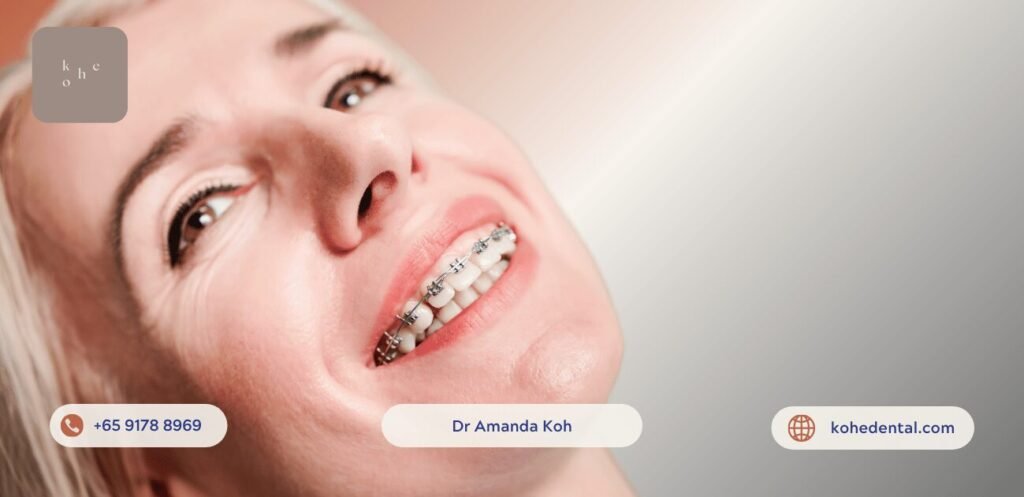
So What Happens When You Delay Braces Treatment?
Alignment worsens with time
As we age, our muscles start shrinking which causes teeth to naturally shift.
If orthodontic issues such as crowding, spacing, or bite problems go untreated, they will gradually worsen over time.
What starts as mild adjustments can develop into more serious and complex orthodontic problems later. Complex cases require longer treatment times and more adjustments. In some cases, you might even require additional orthodontic appliances, which add to the overall cost.
Reduced oral hygiene leading to gum disease
When teeth are crowded or overlapping, keeping them clean can become more difficult. Tight spaces between teeth may make brushing and flossing less effective, allowing plaque and food debris to build up in areas that are harder to reach.
Over time, this buildup can irritate the gums and lead to inflammation. If left unmanaged, it may increase the risk of gum disease, which can cause symptoms such as swollen or bleeding gums and, in more advanced cases, damage to the supporting structures of the teeth.
Bite problems affecting systemic health
Misaligned teeth can impact more than just your smile.
When your teeth are not aligned, it affects your bite as your upper and lower teeth do not come together nicely.
This can cause uneven pressure on your teeth which over time, can lead to excessive wear on enamel. It can also cause teeth chipping which leads to tooth sensitivity.
Addressing alignment issues early will help prevent these issues from festering and worsening.
Poor bite and alignment can cause loss of teeth and ageing
Poor bite and alignment may cause the surrounding gums and bone that support the teeth to be affected. If these supporting structures weaken, it can increase the risk of tooth mobility and, in difficult situations, tooth loss.
Misalignment can also affect the overall balance of your facial structure. Teeth play an important role in supporting the lips and lower face. When alignment or bite issues worsen over time, it may contribute to subtle changes in facial appearance that can make the face droop and sag. This contributes to an aged appearance.
Treatment duration is longer
When orthodontic concerns are addressed earlier, patients often have more flexibility in their treatment plan.
If you start your treatment sooner, while alignment and crowding issues are mild, your treatment period will be shorter, and your treatment plan will be simpler. This naturally brings down the financial cost of your procedure.
Starting early also gives you the option to plan your treatment around major life events and busy periods. Whether you are a working adult, parent, or enjoying retirement, having this flexibility to plan the treatment will make the process a lot smoother.
Delaying metal braces treatment can be detrimental to overall oral, systemic health and appearance.
When it comes to your oral health, sooner is always better than later. If you have been thinking about straightening your teeth, take the first step by reaching out to us for a complimentary consultation.
Seeking an early consultation can give you the clarity you need to determine the most suitable time for treatment. Addressing alignment issues earlier may also reduce the risk of problems such as tooth decay or gum disease, as properly aligned teeth are generally easier to keep clean.